Lasciate che le pile di laminazione di Sino diano forza al vostro progetto!
Per velocizzare il progetto, è possibile etichettare le pile di laminazione con dettagli quali tolleranza, materiale, finitura superficiale, se è necessario o meno un isolamento ossidato, quantitàe altro ancora.
Come conservare e maneggiare le laminazioni CRGO per evitare ruggine e danni al rivestimento
Indice dei contenuti
1. Partire dalle modalità di guasto reali
Saltiamo per un attimo la teoria. In pratica, Laminazioni CRGO di solito falliscono in pochi modi:
Ruggine marrone/rossa su facce o bordi
Ruggine bianca / macchia sotto o intorno ai danni al rivestimento
Rivestimento incrinato o sfaldato in corrispondenza di sbavature, spigoli e punti di piegatura
Ammaccature e segni di stampa da cinghie, paglioli rigidi o carichi puntuali
Laminazioni deformate da un cattivo accatastamento o da uno stoccaggio inclinato
Una volta che questi compaiono, si verificano perdite di nucleo più elevate, problemi di rumore e discussioni imbarazzanti sulle note di credito e sui difetti “accettabili”. E un sacco di rilavorazioni che nessuno ha preventivato.
La maggior parte di questi problemi sono creati prima i laminati raggiungono il tavolo di impilamento. Lo stoccaggio e la movimentazione fanno sì che il rivestimento faccia il suo lavoro, oppure lo annullano silenziosamente.
Le acciaierie e i cataloghi di acciaio elettrico sottolineano ripetutamente: mantenere l'acciaio a grana orientata all'asciutto, evitare lo stoccaggio prolungato, proteggere il rivestimento e i bordi di taglio e controllare l'umidità.
Quindi la domanda pratica diventa: come si presenta questo aspetto in un magazzino e in un negozio reale?
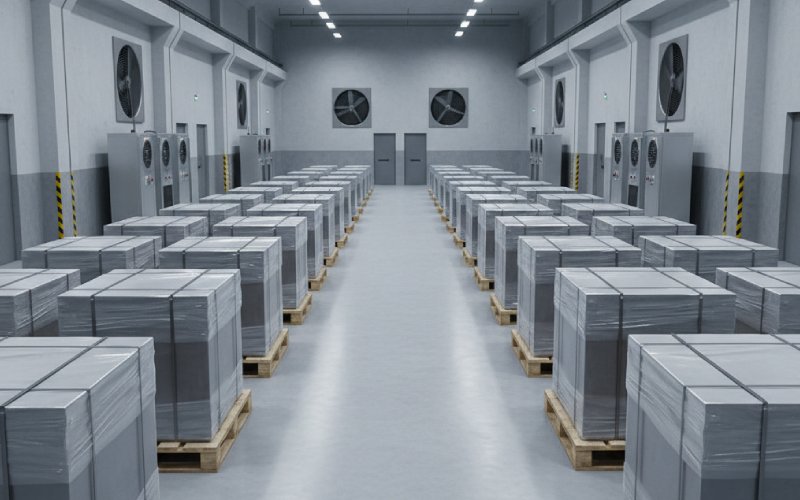
2. Condizioni di stoccaggio target per le pile di laminazione di CRGO
Non è necessaria una camera bianca, ma è necessaria la disciplina. Il CRGO non è una normale lamiera di acciaio dolce; una volta compromesso il rivestimento, la corrosione accelera, soprattutto in corrispondenza dei bordi tagliati e delle aree perforate.
Ecco una semplice specifica che potete utilizzare internamente (o inserire in una specifica di acquisto o in una SOP di stoccaggio).
Busta di stoccaggio consigliata per le laminazioni CRGO
Articolo
Consigliato per le laminazioni CRGO
Note per la protezione dalla ruggine e dai rivestimenti
Umidità relativa (RH)
Obiettivo ≤ 55%, non conservare mai a lungo al di sopra di 60%
Il rischio di ruggine aumenta notevolmente al di sopra di ~60% RH. Mantenere le pile sensibili nella zona più asciutta del magazzino.
Temperatura
15-35°C tipico. Evitare le oscillazioni rapide > 10°C in poche ore
Le oscillazioni creano condensa sull'acciaio freddo, anche in climi “secchi”.
Posizione
All'interno, lontano da porte, scarichi e pareti esterne.
È vietato il deposito all'aperto, anche sotto un telo, di pile scoperte o parzialmente aperte.
Contatto al piano
Su pallet o scaffali, ≥ 100 mm fuori dal pavimento
Evitare il contatto con cemento, terreno, detriti di imballaggio e acqua stagnante.
Tempo di esposizione dopo l'apertura della confezione
Obiettivo < 5 giorni prima dell'impilamento / della produzione di anime
Più sono esposti i bordi tagliati, più rapida è la corrosione in presenza di umidità elevata.
Imballaggio
Imballaggio originale del mulino/convertitore + film o carta VCI + essiccante per una lunga conservazione
I VCI e gli essiccanti sono metodi comprovati per limitare la ruggine nello stoccaggio a lungo termine dei metalli.
Questa tabella è di solito sufficiente per passare da una discussione di base con il team di magazzino o il 3PL: “è solo acciaio” a “questo si comporta più come un pezzo di precisione semilavorato”.
3. Quando arrivano le laminazioni CRGO: cosa devono controllare gli acquisti e l'AQ?
La maggior parte dei problemi di ruggine e di rivestimento si verifica entro la prima settimana dall'arrivo. O addirittura nel contenitore, se siete sfortunati.
Una routine di assunzione rapida ma rigorosa aiuta:
3.1 Prima di rompere le cinghie
Ispezione dell'imballaggio esterno
Cercate angoli schiacciati, nastri rotti, cartone bagnato, muffa sui pallet di legno o macchie di sale sull'involucro (trasporto marittimo).
Se notate segni di infiltrazioni d'acqua, fermatevi. Registrate le foto e mettete in quarantena.
Controllare gli indicatori di umidità / lo stato dell'essiccante (se utilizzato)
Molte confezioni per l'esportazione includono schede di umidità e sacchetti di essiccante; se le schede mostrano una lettura elevata (ad esempio, >60% o area di “cambiamento di colore”), contrassegnare il lotto come ad alto rischio per l'uso precoce.
Contrassegnare la priorità di archiviazione
Utilizzate un semplice cartellino “usa prima” per i pallet sospetti o vecchi. I vecchi stock di CRGO con rivestimenti rotti si arrugginiscono più rapidamente delle bobine fresche.
3.2 Dopo l'apertura: prime laminazioni esposte
Una volta tagliati i nastri e sollevato il coperchio superiore:
Controllo top 10-20 laminazioni su ogni pila:
Ci sono segni marroni o rossi vicino ai bordi?
Il rivestimento presenta vesciche, sfaldamenti o aree opache dove è chiaramente sparito?
Pulire una piccola area con un panno pulito, asciutto e privo di pelucchi:
Se si raccolgono residui oleosi con polvere arancione fine, la corrosione è iniziata.
Se si riscontrano difetti:
Isolare la pila, annotare l'identità, scattare foto.
Decidere: utilizzo anticipato, rielaborazione o rifiuto (vedi sezione 7).
Gli acquisti hanno bisogno di questo ciclo di feedback, altrimenti si continua a comprare le stesse specifiche di imballaggio e a subire gli stessi danni.
4. Stoccaggio in magazzino: regole semplici che vengono effettivamente rispettate
Potete scrivere una procedura di 20 pagine. O qualcosa che il negoziante ricorda in un giorno di lavoro.
Puntate su alcune regole come questa:
4.1 Dove mettere i pallet di laminazione CRGO
Manteneteli lontano dalle porte di carico dove entrano aria umida, pioggia e polvere.
Nessun deposito sotto tetti che perdono, vicino alle aree di lavaggio o alle aperture delle torri di raffreddamento, ecc.
Non spingete i pallet contro le pareti esterne fredde; lasciate un piccolo spazio d'aria.
La maggior parte dei produttori di acciaio nota che l'imballaggio da solo non può compensare le cattive condizioni climatiche del magazzino o i tempi di stoccaggio molto lunghi.
4.2 Come impilare pallet e contenitori
Pila al massimo due pallet di laminazione (tre solo se il fornitore certifica la resistenza del pallet e se si dispone di buone scaffalature).
Utilizzo piatto, piano e robusto pagliolo tra i pallet; evitare legni stretti che creano contatti e rientranze tra le linee.
Non conservare mai le pile di laminazione appoggiarsi contro una parete. Si piegano lentamente. Poi non si appoggiano mai al nucleo.
4.3 Protezione delle pile aperte
Una volta che un pallet è stato aperto e non completamente lavorato:
Avvolgere le pile esposte con Carta o film VCI, non solo PE ordinario.
Aggiungi sacchetti essiccanti piccoli all'interno dell'involucro se l'UR è spesso elevata.
Etichettare la pila con data aperta e il dipartimento responsabile.
Ruotare le pile aperte: la più vecchia aperta viene elaborata per prima.
Non si tratta di condizioni perfette, ma solo di far trascorrere all'acciaio il minor numero possibile di giorni in modalità “esposta, umida e non protetta”.
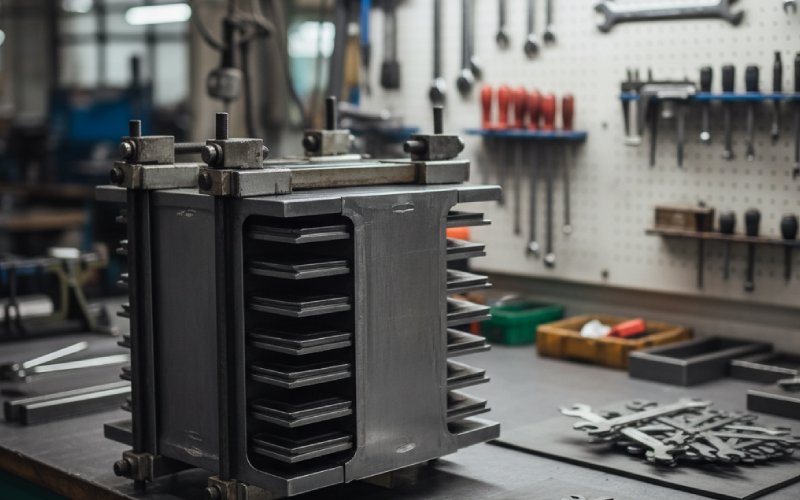
5. Gestione delle laminazioni CRGO in officina
La maggior parte dei danni al rivestimento e dei micrograffi deriva dalla manipolazione, non dalla conservazione.
Le linee guida per i mulini e i trasformatori per l'acciaio a grana orientata sottolineano ripetutamente: evitare urti, piegature, graffi superficiali e la contaminazione da oli e umidità delle mani.
5.1 Persone e strumenti
Guanti, sempre
Guanti da lavoro leggeri e puliti. Evitare il cotone sporco che trasporta polvere abrasiva.
Le mani nude lasciano sudore e sali; danno origine a micro-corrosioni, soprattutto durante le pause o la notte.
Apparecchiatura di sollevamento
Utilizzo brache tessili larghe o sollevatori a vuoto per i fasci, ove possibile.
Evitare catene o cavi d'acciaio direttamente sui bordi della laminazione. Utilizzare protezioni per i bordi se non c'è scelta.
Superfici di lavoro
Le panche e i tavoli impilabili devono essere pulito, liscio, non abrasivo.
Niente schizzi di saldatura, niente bave, niente schegge di metallo intrappolate.
5.2 Spostamento delle pile di laminazione
Versione breve: nessun trascinamento.
Non trascinare laminati l'uno sull'altro o su tavoli. In questo modo si creano graffi lunghi che rompono il rivestimento e introducono ulteriori perdite.
Sollevare e posizionare le pile, anche per piccoli aggiustamenti. Utilizzate semplici ausili come strisce di teflon o UHMWPE sui tavoli per facilitare il riposizionamento con meno forza.
Quando si separano le laminazioni, evitare di piegare un angolo; inserire un sottile cuneo di plastica o di legno per iniziare la separazione.
5.3 Controllo della contaminazione
Cercate di tenere tre cose lontane dalle superfici di laminazione:
Polvere abrasiva/scaglie
Pulire regolarmente le macchine da taglio e le aree di impilamento.
Se possibile, saltate le operazioni di molatura o taglio nella stessa piccola area.
Spruzzi di olio, vernice o sigillante
Mascherare le laminazioni se si dipinge nelle vicinanze.
Evitare di spruzzare convertitori di ruggine o primer nella stessa zona.
Acqua e detergenti a base d'acqua
Se mosto Per la pulizia, utilizzare i solventi approvati dal produttore e asciugare completamente la superficie.
Evitare i detergenti che lasciano residui, soprattutto quelli alcalini.
6. Esportazione, spedizione a lunga distanza e stoccaggio a lungo termine
Se spedite pile di laminazione o anime preassemblate attraverso zone climatiche, il rischio aumenta rapidamente. Il container diventa una piccola camera climatica: caldo di giorno, fresco di notte, condensa ovunque.
Gli esportatori esperti di nuclei di trasformatori e bobine a fessura CRGO aggiungono in genere tre strati supplementari: imballaggio a prova di umidità, sigillatura e materiali antiruggine.
6.1 Una struttura di imballaggio che funziona davvero
Dall'interno all'esterno, uno schema robusto si presenta così:
Pile di laminazione
Reggiato con angoli protetti, facce coperte da fogli di interlacciatura.
Strato VCI
Avvolgere le pile in carta o pellicola VCI, sigillate il più possibile.
Essiccante
Aggiungere sacchetti di essiccante calcolati all'interno del volume avvolto. Posizionare gli indicatori in modo che i destinatari possano controllarli all'apertura.
Avvolgimento in film termoretraibile o estensibile
Avvolgere il pallet o la cassa per evitare l'ingresso di umidità e polvere.
Progettazione di casse e pallet
Utilizzate casse di legno chiuse o pallet robusti con copertura superiore, soprattutto per il trasporto via mare.
Predisporre punti di ancoraggio per evitare che le funi incidano l'acciaio.
6.2 Conservazione a lungo termine (> 6-12 mesi)
Se i laminati devono essere conservati per un anno o più (stock strategico, progetti lenti):
Manteneteli in confezione originale il più a lungo possibile, con l'aggiunta di VCI e di essiccante se il clima è rigido.
Evitate di ripetere gli spostamenti; ogni passaggio di manipolazione è una possibilità di danno.
Pianificare controlli visivi regolari (ogni pochi mesi): ispezionare una piccola area sotto l'imballaggio per verificare che non vi sia condensa o ruggine.
Se si sa che lo stoccaggio sarà molto lungo sin dall'inizio, potrebbe essere più conveniente organizzare consegne più piccole e frequenti di laminazioni CRGO piuttosto che trattare un magazzino come un museo.
7. Se si notano ancora danni alla ruggine o al rivestimento
Succederà. La chiave è distinguere “cosmetico, gestibile” da “prestazioni fondamentali a rischio”.
Spesso accettabile dopo un'accurata pulizia con un panno privo di pelucchi o con un solvente approvato dal produttore.
Se possibile, mantenere queste laminazioni in posizioni non critiche.
Ruggine sui bordi delle facce tagliate, nessuna sfaldatura nella pila
Se poco profondi, alcuni utenti li accettano su piccoli trasformatori di distribuzione, altri no.
Quando la ruggine si sovrappone alle laminazioni e crea percorsi conduttivi, le perdite aumentano e il rumore può peggiorare.
Rivestimento incrinato o mancante su ampie aree
Rischio di corti interlaminari e perdite maggiori.
Per le anime critiche, la rilaminazione o la sostituzione è di solito più sicura.
Definire un albero decisionale interno:
Qual è il vostro livello di rifiuto “senza discussione”?
A quale livello si attiva la revisione ingegneristica?
Quando si può accettare con concessione e documentazione?
Senza questo, ogni laminazione arrugginita diventa una negoziazione tra QA, produzione e acquisti.
8. Semplici liste di controllo per l'uso quotidiano
È possibile adattarli in una SOP di una pagina da affiggere alla parete dell'officina.
8.1 Per l'acquisto / ispezione in entrata
[ ] Controllare che i pallet / le casse non presentino danni da acqua o aree schiacciate.
[ ] Confermare gli indicatori di umidità e lo stato dell'essiccante, se disponibile
[ ] Ispezionare i laminati superiori per verificare la presenza di ruggine, macchie e difetti di rivestimento.
[ ] Fotografare le aree sospette e collegarle all'ID del lotto.
[ ] Contrassegnare i pallet come “da usare prima” se l'imballaggio sembra compromesso.
[ ] Data di arrivo del registro e data prevista per l'ultimo utilizzo
8.2 Per il magazzino e la produzione
[ ] Conservare le pile di laminazione CRGO al chiuso, lontano dal pavimento e dalle porte.
[ ] Mantenere la RH intorno alle scaffalature di stoccaggio il più basso possibile.
[ ] Limitare l'altezza di impilamento dei pallet e utilizzare solo paglioli piatti.
[ ] Evitare le pile inclinate; riporre sempre in piano e in appoggio.
[ ] Una volta aperte, avvolgere le pile con VCI ed etichettare la data di apertura.
[ ] Usare i guanti quando si toccano i laminati; non trascinarli o farli scivolare.
[ ] Mantenere pulite e asciutte le aree di taglio e di accatastamento.
Non è affascinante. Ma molto efficace.
9. FAQ: Stoccaggio e manipolazione della laminazione CRGO
D1: I laminati CRGO possono essere conservati all'aperto se l'involucro è intatto?
In pratica, no. Anche sotto un telo, lo stoccaggio all'aperto espone i pallet a sbalzi di temperatura, condensa e danni meccanici. Mills raccomanda esplicitamente lo stoccaggio in ambienti interni asciutti e in condizioni controllate.
D2: Quale umidità è accettabile per lo stoccaggio della laminazione CRGO?
Mantenere l'umidità relativa intorno alle pile al di sotto di circa 55-60% per qualsiasi cosa che non sia uno stoccaggio molto breve. Al di sopra di questo intervallo, il rischio di corrosione aumenta notevolmente, soprattutto se combinato con cicli di temperatura e bordi tagliati.
D3: Per quanto tempo posso conservare i laminati prima di utilizzarli?
Non esiste un limite univoco, ma la maggior parte dei produttori sconsiglia di conservare a lungo il materiale tagliato o punzonato, perché i danni al rivestimento e la corrosione dei bordi si accumulano nel tempo. Se si prevedono più di 6-12 mesi, è bene specificare un imballaggio migliore (VCI, essiccante, casse migliori) e pianificare le ispezioni.
D4: Le piccole macchie di ruggine sono sempre un motivo per scartare le laminazioni?
Non sempre. Una leggera decolorazione senza vaiolatura o ponti tra le laminazioni può essere accettata in aree non critiche dopo la pulizia e la revisione tecnica. Ruggine pesante, vaiolatura profonda o perdita di rivestimento in zone più ampie sono di solito motivo di scarto o di rilavorazione (ad esempio, rilaminazione).
Q5: Qual è l'imballaggio migliore per l'esportazione di pile di laminazione CRGO?
Per le spedizioni via mare e per le tratte lunghe, una combinazione comune è: carta o film VCI intorno a ogni pila, essiccante all'interno del volume, termoretraibile sigillato, quindi una robusta cassa di legno o un pallet robusto con copertura superiore e protezione dei bordi. Questo approccio riflette le migliori pratiche attuali in materia di imballaggi anticorrosione per i prodotti metallici.
D6: Sono necessari prodotti di pulizia speciali per le laminazioni CRGO?
Sì, se è necessario pulire le superfici. Utilizzare solo detergenti approvati per l'acciaio elettrico o raccomandati dal fornitore e asciugare sempre completamente la superficie. Evitare prodotti chimici aggressivi e detergenti a base d'acqua che possono attaccare il rivestimento o lasciare residui conduttivi.
Cheney è un ingegnere applicativo senior di Sino, con una forte passione per la produzione di precisione. Ha una formazione in ingegneria meccanica e possiede una vasta esperienza pratica nella produzione. Alla Sino, Cheney si concentra sull'ottimizzazione dei processi di produzione delle pile di laminazione e sull'applicazione di tecniche innovative per ottenere prodotti di alta qualità.
Opuscolo sui nuovi prodotti
Inserite il vostro indirizzo e-mail e vi invieremo l'ultima brochure!
Lasciate che le pile di laminazione di Sino diano forza al vostro progetto!
Per velocizzare il progetto, è possibile etichettare le pile di laminazione con dettagli quali tolleranza, materiale, finitura superficiale, se è necessario o meno un isolamento ossidato, quantitàe altro ancora.






 Italian
  English
  German
  Spanish
  French
  Japanese
  Korean
  Dutch
Dutch  Indonesian