Manufacturing Processes and Quality Checks of Our EI Lamination Stacks
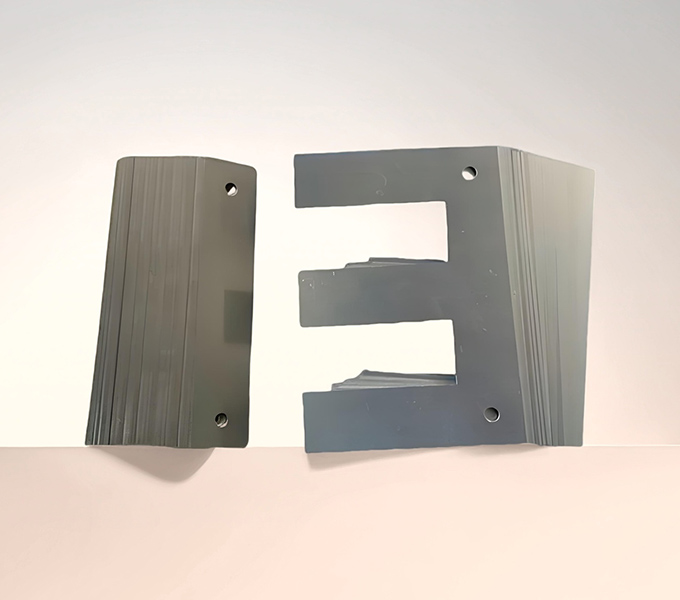
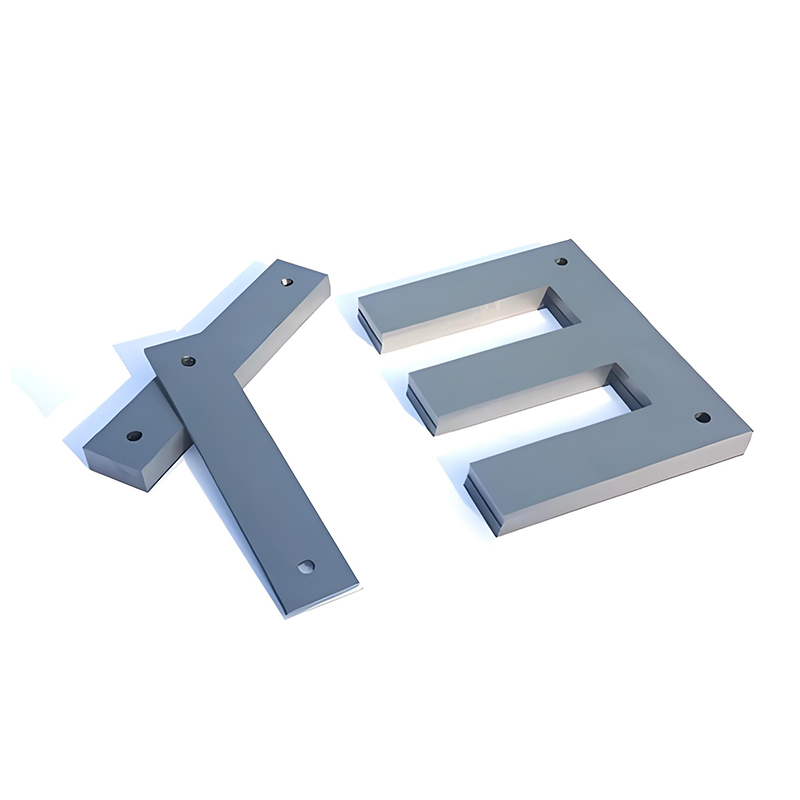
Sino’s skill in making things comes from decades of experience, always putting money into the newest technology, and a strong dedication to quality. Our all-in-one production process makes sure that every EI core lamination has the right size and shape, good magnetic quality, and a smooth surface.
Material Cutting and Prep
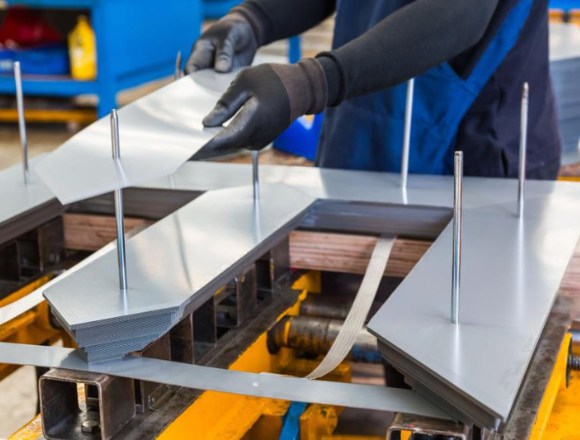
The process starts with cutting the electrical steel coils into the right widths. Our advanced cutting machines ensure the size is very accurate and we waste as little material as possible, getting the strips ready for the next step.
Advanced Stamping Methods
Our stamping machines are the key to creating the exact EI shapes:
- Fine Blanking and Progressive Die Stamping: We use top-of-the-line Fine Blanking and Progressive Die Stamping machines. These machines can make parts with very small, smooth edges (below 5 µm) and exact sizes (within ±0.01 mm). Computer-controlled presses that monitor force, position, and temperature help line up the tools perfectly and reduce wear. This directly affects how flat and easy to stack the laminations are.
- Laser Cutting: For making prototypes quickly and for special production runs, we use fiber laser systems. Laser cutting allows for a fast turnaround with very little stress on the material. We carefully control the laser settings (like pulse length, power, and gas) to limit the heat-affected areas, which can otherwise lower the magnetic permeability by up to 10%.
- Burr Control and Edge Quality: We use built-in camera systems to check the edge quality and look for tiny rough spots (burrs) in real-time. This information helps us adjust the tools right away, which cuts down on waste by up to 30% and keeps the insulation between layers consistent.
Precision Heating Processes (Annealing)
Annealing is a key heating step that brings back the steel’s magnetic quality after it has been worked on. It also helps the tiny crystals inside the steel grow in the best way:
- Continuous Annealing Furnaces: The continuous annealing machines we use use a controlled hydrogen/nitrogen atmosphere with very low oxygen (below 5 ppm). These systems let us precisely control the heating temperature (usually 800–900°C) and cooling speed. This helps the crystals grow to the right size (average size >150 µm) and relieves stress. This can lower core loss by 15–20% compared to older annealing methods.
- Vacuum Annealing: For parts that need very low core loss, we use vacuum annealing furnaces, which create a near-perfect vacuum (pressures below 10^-4 mbar). This process gets rid of any oxidation and lets us use steels with a high amount of silicon (>3.5% Si). This leads to core loss reductions of up to 25% and a better insulation layer.
- Custom Annealing Cycles: Recent studies show that using controlled, multi-step annealing cycles can adjust the crystal direction and reduce defects. This can lead to a 10–15% increase in permeability and a 20–30% reduction in coercivity. Sino uses these advanced annealing plans to get the best magnetic performance.
Surface Insulation Coating
After annealing, the laminations are coated with a high-quality electrical insulation layer:
- New Coating Methods: We use advanced inorganic phosphate and silicate-based coatings, as well as electrophoretic deposition (EPD) processes from companies like AkzoNobel and Axalta. These give an inter-laminar resistance of over 1000 Ω·cm² and can handle heat up to 800°C.
- Cleanliness: Before coating, we use plasma cleaning and ultrasonic degreasing to remove any leftover oils or tiny particles. These can cause problems with the insulation and lead to localized eddy current losses. Our systems can verify that the surface is clean down to the sub-micron level.
To stop unwanted currents between the layers (inter-laminar eddy currents) and make sure they last a long time, all our laminations are coated with high-quality insulation. We use:
- Inorganic Coatings: Like phosphate or MgO, which can handle heat well and are good electrical insulators.
- Organic Coatings: Like C-5 or C-6, which are easy to stamp and stick well.
- Advanced Coatings: We are testing thin-film PVD (Physical Vapor Deposition) coatings for very thin laminations (<0.18 mm). These coatings are very even and have almost no change in thickness (<0.5 µm). Our coatings have an inter-laminar resistance of over 1000 Ω·cm² and can handle heat up to 800°C.
Choosing the right material and coating is an important decision. Sino’s experts are here to help you weigh the costs and benefits to pick the best choice for your specific needs.
Automated Stacking and Assembly
Our assembly process is mostly automated to make sure everything is consistent and high-quality:
- Robotic Handling: Robotic systems are used for stacking, checking, and packing. This reduces mistakes and contamination from human handling.
- Stacking Pressure Control: Automated stacking presses with real-time force feedback make sure the pressure stays in the best range (usually 1–2 MPa). This prevents the insulation from being crushed and stops shorts between the layers.
- Cleanroom Environment: We use ISO 7 cleanroom standards where we assemble our cores. Since 2022, this has reduced shorts caused by tiny particles by over 80%.
Quality Checks and Industry 4.0
Quality is a part of every step of our manufacturing process:
- In-line Monitoring: We check important things (like edge quality, size, and insulation resistance) in real-time. This helps us find and fix any problems right away.
- Digital Twins and MES: We are using Manufacturing Execution Systems (MES) et digital twins. This helps us predict when machines need fixing, improve our processes in real-time, and lets us track every single batch of laminations.
- AI-Driven Process Control (Future Plan): We have pilot projects using machine learning to connect process settings with the final magnetic and mechanical quality. This will allow for automatic process improvements and quick problem-solving.
- Environmental Responsibility: Our new annealing furnace designs are made to reuse heat and have cleaner burners. This reduces energy use by up to 25% for every ton of laminations we make. We are also looking into using green hydrogen in our furnaces to further reduce our carbon footprint.
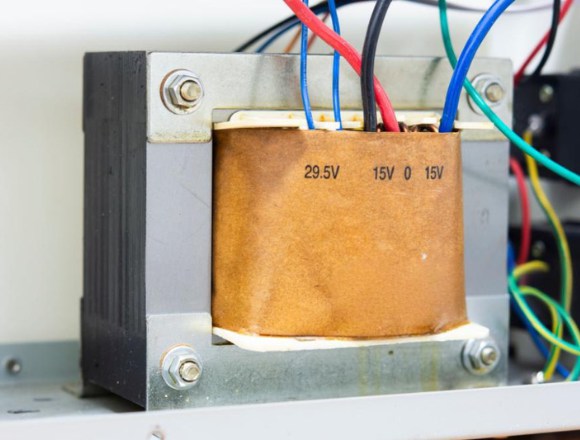
Sino’s advanced manufacturing skills and strict quality checks make sure that our EI core laminations are not just parts, but dependable foundations for your high-quality magnetic products.

 French
  English
  German
  Spanish
  Italian