Material Type | Sino’s Perspective & Key Advantages | Potential Trade-offs | Common Scenarios We See |
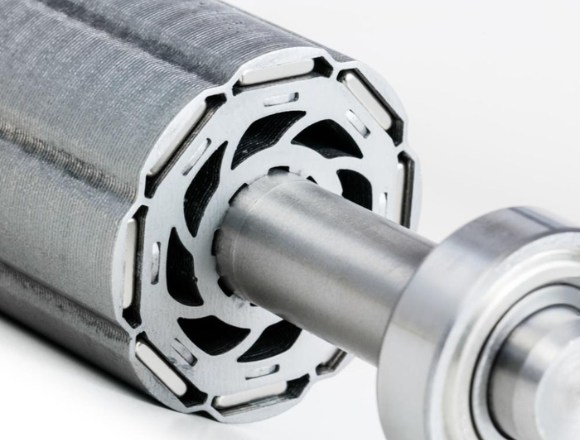
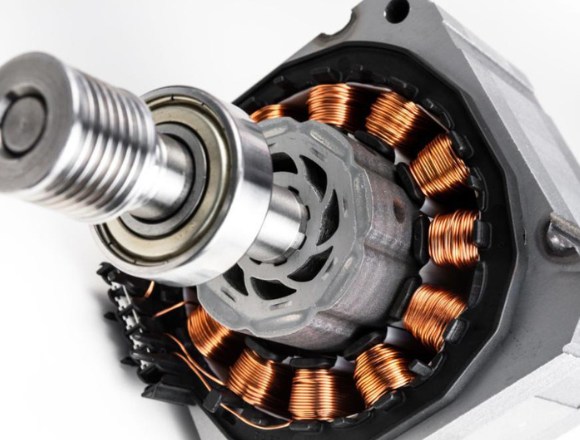
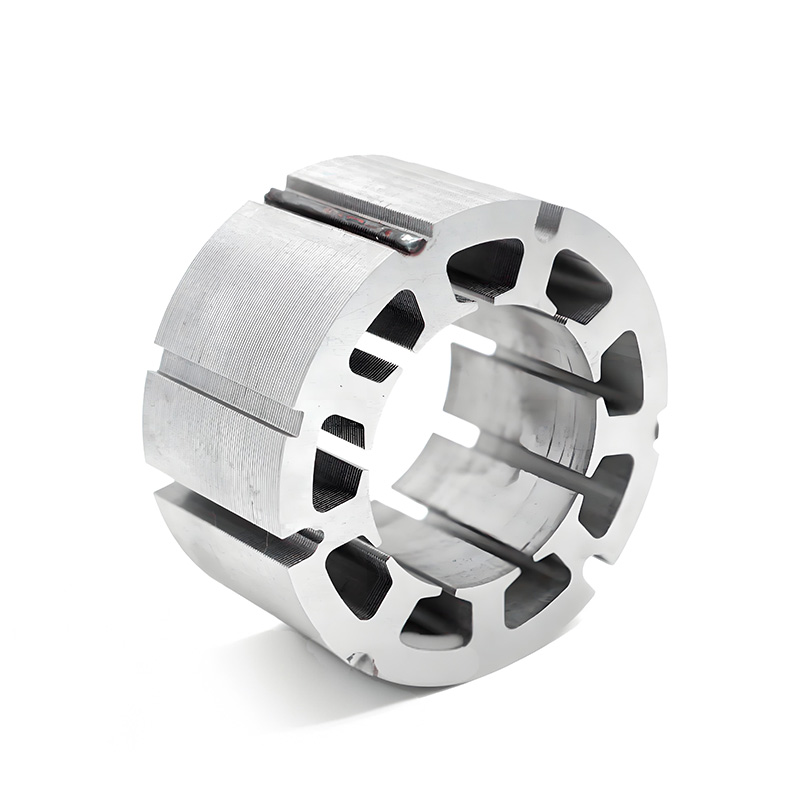
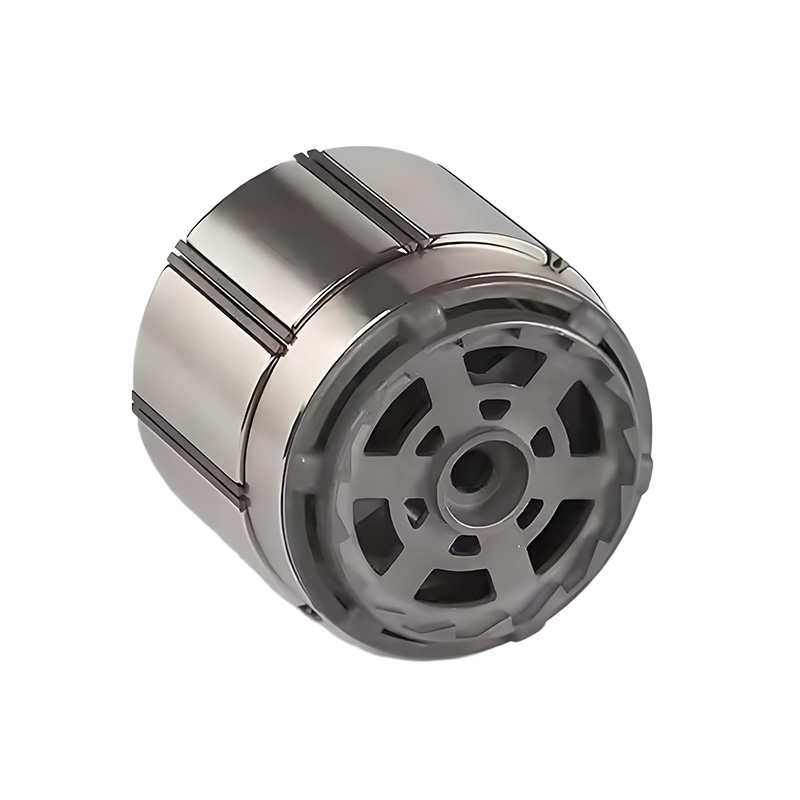
Silicon Steel (e.g., M19, M27, M36, M47 grades, up to high-frequency grades like 20JNEH1200) | Good magnetic performance, cost-effective, excellent for stamping and stacking. Sino stocks various grades for quick turnaround. | Higher losses than some exotics, especially at very high frequencies. | General industrial motors, appliances, HVAC, automotive auxiliaries, many permanent magnet motor stator designs. |
Cobalt-Iron Alloys (e.g., Hiperco®, Vacoflux®) | The heavy hitter for power density. Fantastic saturation flux means more magnetic muscle in a smaller space. Great for high-temp scenarios. Sino can source and process these demanding materials. | Premium price point, can be trickier to stamp and anneal. | Aerospace motors, high-performance electric vehicle (EV) traction motors, specialized robotics. |
Amorphous & Nanocrystalline Metals | The efficiency champions, especially at high frequencies. Super low hysteresis and eddy losses. Sino is equipped for handling these more delicate, often thinner materials. | More brittle, generally higher cost, lower saturation flux density than Co-Fe. Can require specialized stacking/bonding. | High-frequency inductors, ultra-high-efficiency motors, specialized medical devices. |
Nickel-Iron Alloys (e.g., MuMetal®, Permalloy®) | Masters of permeability at low field strengths. Excellent for shielding. | Lower saturation limits, often expensive. | Sensitive sensor applications, magnetic shielding components, some very specialized small motor designs. |

 French
  English
  German
  Spanish
  Italian