Lassen Sie Sino's Lamination Stacks Ihr Projekt verstärken!
Um Ihr Projekt zu beschleunigen, können Sie Lamination Stacks mit Details wie Toleranz, Material, Oberflächengüte, ob eine oxidierte Isolierung erforderlich ist oder nicht, Mengeund mehr.
Lagerung und Handhabung von CRGO-Laminaten zur Vermeidung von Rost und Beschädigung der Beschichtung
Inhaltsübersicht
1. Ausgehend von den tatsächlichen Fehlermöglichkeiten
Lassen wir die Theorie einmal beiseite. Die Praxis, CRGO-Laminierungen scheitern in der Regel nur an wenigen Punkten:
Brauner/Roter Rost auf Flächen oder Kanten
Weißer Rost/Fleck unter oder um Beschichtungsschäden herum
Rissige oder abgeblätterte Beschichtung an Graten, Kanten und Knickstellen
Durchdrucke und Beulen aus Gurten, hartem Garnier oder Punktlasten
Verzogene Lamellen durch schlechte Stapelung oder schiefe Lagerung
Sobald diese auftauchen, kommt es zu höheren Kernverlusten, Geräuschproblemen und unangenehmen Diskussionen über Gutschriften und “akzeptable” Mängel. Und eine Menge Nacharbeit, die niemand einkalkuliert hat.
Die meisten dieser Probleme entstehen vor die Laminate jemals den Stapeltisch erreichen. Lagerung und Handhabung sorgen entweder dafür, dass die Beschichtung ihre Aufgabe erfüllt, oder machen sie unbemerkt zunichte.
Stahlwerke und Elektrostahlkataloge betonen immer wieder: kornorientierter Stahl muss trocken gelagert werden, lange Lagerzeiten sind zu vermeiden, die Beschichtung und die Schnittkanten sind zu schützen und die Feuchtigkeit ist zu kontrollieren.
Die praktische Frage lautet also: Wie sieht das in einem realen Lager und Geschäft aus?
2. Zielbedingungen für die Lagerung von CRGO-Laminatstapeln
Sie brauchen keinen Reinraum, aber Sie brauchen Disziplin. CRGO ist kein normales Baustahlblech. Sobald die Beschichtung beschädigt ist, beschleunigt sich die Korrosion, insbesondere an Schnittkanten und gestanzten Bereichen.
Hier ist eine einfache Spezifikation, die Sie intern verwenden können (oder in eine Kaufspezifikation/SOP für die Lagerung aufnehmen können).
Empfohlener Lagerungsumschlag für CRGO-Laminate
Artikel
Empfohlen für CRGO-Laminate
Hinweise für Rost- und Beschichtungsschutz
Relative Luftfeuchtigkeit (RH)
Ziel ≤ 55%, niemals längerfristig aufbewahren 60%
Die Rostgefahr steigt über ~60% RH stark an. Bewahren Sie empfindliche Stapel in der trockensten Zone des Lagers auf.
Temperatur
15-35°C typisch. Vermeiden Sie schnelle Schwünge > 10°C in ein paar Stunden
Schaukeln führt zu Kondenswasserbildung auf kaltem Stahl, selbst in “trockenen” Klimazonen.
Standort
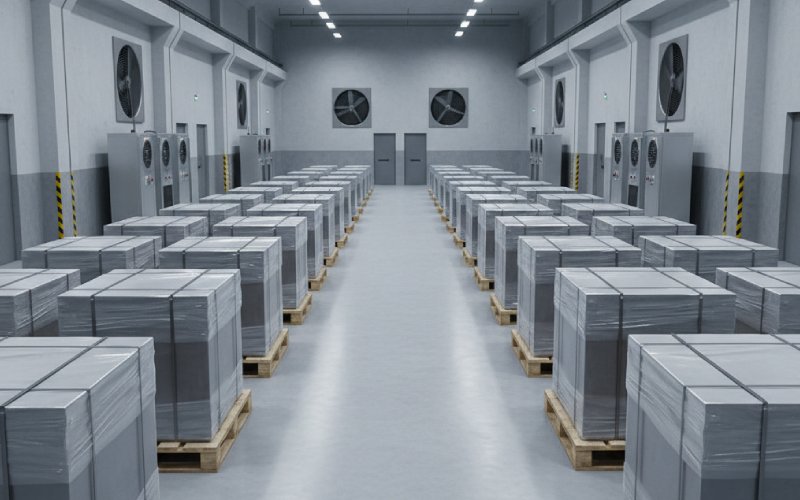
In Innenräumen, entfernt von Türen, Abflüssen und Außenwänden
Keine Lagerung im Freien, auch nicht unter einer Plane, für leere oder teilweise geöffnete Stapel.
Bodenkontakt
Auf Paletten oder Regalen, ≥ 100 mm ohne Boden
Vermeiden Sie den Kontakt mit Beton, Erde, Verpackungsresten und stehendem Wasser.
Expositionszeit nach dem Öffnen der Verpackung
Angestrebt werden < 5 Tage vor der Stapelung / Kernherstellung
Je mehr Schnittkanten freiliegen, desto schneller setzt bei hoher Luftfeuchtigkeit Korrosion ein.
Verpackung
Originalverpackung der Mühle / des Konverters + VCI-Folie oder Papier + Trocknungsmittel für lange Lagerung
VCI und Trockenmittel sind bewährte Methoden zur Begrenzung von Rost bei der Langzeitlagerung von Metall.
Diese Tabelle reicht in der Regel aus, um eine grundlegende Diskussion mit Ihrem Lagerteam oder 3PL von “das ist nur Stahl” zu “das verhält sich eher wie ein halbfertiges Präzisionsteil” zu führen.
3. Wenn CRGO-Laminate ankommen: Was sollten Einkauf und QS eigentlich prüfen?
Die meisten Rost- und Beschichtungsprobleme treten innerhalb der ersten Woche nach der Ankunft auf. Oder sogar schon im Container, wenn Sie Pech haben.
Eine schnelle, aber strenge Einnahme-Routine hilft:
3.1 Vor dem Zerreißen von Gurten
Prüfen Sie die äußere Verpackung
Achten Sie auf eingedrückte Ecken, gebrochene Bänder, nassen Karton, Schimmel auf Holzpaletten oder Salzflecken auf der Verpackung (Seefracht).
Wenn Sie Anzeichen für ein Eindringen von Wasser sehen, stoppen Sie. Machen Sie Fotos und stellen Sie sie unter Quarantäne.
Kontrolle der Feuchtigkeitsanzeige / des Trockenmittelstatus (falls verwendet)
Viele Exportpakete enthalten jetzt Feuchtigkeitskarten und Trockenmittelbeutel; wenn die Karten einen hohen Messwert aufweisen (z. B. >60% oder einen “Farbwechsel”-Bereich), kennzeichnen Sie die Charge als erhöhtes Risiko für eine vorzeitige Verwendung.
Speicherpriorität markieren
Verwenden Sie für verdächtige oder ältere Paletten ein einfaches “use first”-Schild. Alte CRGO-Bestände mit beschädigten Beschichtungen rosten schneller als frische Coils.
3.2 Nach dem Öffnen: erste freigelegte Lamellen
Schneiden Sie die Bänder durch und heben Sie die obere Abdeckung ab:
Siehe Top 10-20 Laminierungen auf jedem Stapel:
Gibt es braune oder rote Flecken an den Rändern?
Blasenbildung, Abblättern der Beschichtung oder matte Stellen, an denen die Beschichtung eindeutig verschwunden ist?
Wischen Sie eine kleine Fläche mit einem sauberen, trockenen, fusselfreien Tuch ab:
Wenn Sie ölige Rückstände mit feinem orangefarbenem Staub aufnehmen, hat die Korrosion begonnen.
Wenn Sie Mängel finden:
Isolieren Sie den Stapel, notieren Sie die ID und machen Sie Fotos.
Der Einkauf braucht diese Rückkopplungsschleife, sonst kauft man immer wieder die gleiche Verpackungsspezifikation und bekommt den gleichen Schaden.
4. Lagerhaltung: einfache Regeln, die tatsächlich befolgt werden
Sie können ein 20-seitiges Verfahren schreiben. Oder etwas, an das sich der Lagerist an einem arbeitsreichen Tag erinnert.
Streben Sie ein paar Regeln wie diese an:
4.1 Wohin mit CRGO-Laminatpaletten?
Behalten Sie sie weg von den Ladetüren wo feuchte Luft, Regen und Staub eindringen.
Keine Lagerung unter undichte Dächer, in der Nähe von Waschplätzen oder in der Nähe von Öffnungen für Kühltürme usw.
Drücken Sie die Paletten nicht hart gegen kalte Außenwände; lassen Sie einen kleinen Luftspalt.
Die meisten Stahlproduzenten stellen fest, dass die Verpackung allein kein Ausgleich für schlechtes Lagerklima oder sehr lange Lagerzeiten sein kann.
4.2 Wie stapelt man Paletten und Container?
Maximal stapeln zwei Laminierpaletten hoch (drei nur, wenn der Lieferant die Palettenfestigkeit bescheinigt und Sie über gute Regale verfügen).
Verwenden Sie flaches, ebenes, stabiles Garnier zwischen den Paletten; vermeiden Sie schmales Holz, das Linienkontakt und Eindrücke erzeugt.
Lagern Sie niemals Laminatstapel lehnt gegen eine Wand. Sie beugen sich langsam. Dann sitzen sie nie flach im Kern.
4.3 Schutz der offenen Stapel
Sobald eine Palette geöffnet und nicht vollständig verarbeitet ist:
Umwickeln Sie die freiliegenden Stapel mit VCI-Papier oder -Folie, und nicht nur gewöhnliches PE.
hinzufügen kleine Trockenmittelbeutel im Inneren der Verpackung, wenn die Luftfeuchtigkeit oft hoch ist.
Beschriften Sie den Stapel mit offenes Datum und zuständige Abteilung.
Offene Stapel rotieren: der älteste geöffnete Stapel wird zuerst bearbeitet.
Es geht nicht um perfekte Bedingungen, sondern darum, dass der Stahl so wenig Tage wie möglich im “ungeschützten, feuchten, ungeschützten” Modus verbringt.
5. Handhabung von CRGO-Laminaten in der Werkstatt
Die meisten Lackschäden und Mikrokratzer entstehen durch die Handhabung, nicht durch die Lagerung.
Der Leitfaden für Mühlen und Verarbeiter von kornorientiertem Stahl hebt wiederholt hervor: Vermeiden Sie Stöße, Biegungen, Oberflächenkratzer und Verunreinigungen durch Öle und Feuchtigkeit von den Händen.
5.1 Menschen und Werkzeuge
Handschuhe, immer
Leichte, saubere Arbeitshandschuhe. Vermeiden Sie schmutzige Baumwolle, die Schleifstaub enthält.
An den bloßen Händen bleiben Schweiß und Salze zurück, die vor allem in den Pausen oder über Nacht Mikrokorrosion verursachen.
Hebezeug
Verwenden Sie breite textile Anschlagmittel oder Vakuumhebern für Bündel, wo immer möglich.
Vermeiden Sie Ketten oder Stahlseile direkt an den Laminatkanten. Verwenden Sie Kantenschutzvorrichtungen, wenn es keine andere Möglichkeit gibt.
Arbeitsflächen
Bänke und Stapeltische sollten sein sauber, glatt, nicht scheuernd.
Keine Schweißspritzer, keine Grate, keine eingeschlossenen Metallspäne.
5.2 Verschieben von Laminierstapeln
Kurzfassung: kein Schleppen.
Nicht ziehen Laminate übereinander oder über Tische hinweg. Auf diese Weise entstehen lange Kratzer, die die Beschichtung aufbrechen und zusätzliche Verluste verursachen.
Heben Sie Stapel an und platzieren Sie sie, auch bei kleinen Anpassungen. Verwenden Sie einfache Hilfsmittel wie Teflon- oder UHMWPE-Streifen auf den Tischen, um das Umlagern mit weniger Kraftaufwand zu erleichtern.
Vermeiden Sie beim Trennen der Laminate das Knicken an einer Ecke; schieben Sie einen dünnen Kunststoff- oder Holzkeil hinein, um die Trennung einzuleiten.
5.3 Kontaminationskontrolle
Versuchen Sie, drei Dinge von den Laminierflächen fernzuhalten:
Abrasiver Staub / Zunder
Regelmäßige Reinigung der Schneidemaschinen und Stapelbereiche.
Überspringen Sie nach Möglichkeit Schleif- oder Trennarbeiten in demselben kleinen Bereich.
Overspray von Öl, Farbe oder Dichtungsmitteln
Decken Sie die Laminate ab, wenn Sie in der Nähe lackieren.
Vermeiden Sie das Sprühen von Rostumwandlern oder Grundierungen in der gleichen Zone.
Wasser und Reiniger auf Wasserbasis
Wenn Sie muss reinigen, verwenden Sie vom Hersteller zugelassene Lösungsmittel und trocknen Sie die Oberfläche vollständig.
Vermeiden Sie alle Reinigungsmittel, die Rückstände hinterlassen, insbesondere alkalische.
6. Export, Langstreckentransport und Langzeitlagerung
Wenn Sie Laminatstapel oder vormontierte Kerne über Klimazonen hinweg transportieren, steigt Ihr Risiko schnell. Der Container wird zu einer kleinen Klimakammer: tagsüber heiß, nachts kühl, überall Kondenswasser.
Erfahrene Exporteure von Transformatorkernen und CRGO-Spaltbandspulen fügen in der Regel drei zusätzliche Schichten hinzu: feuchtigkeitssichere Verpackung, Versiegelung und rostschützende Materialien.
6.1 Eine Verpackungsstruktur, die tatsächlich funktioniert
Von innen nach außen sieht ein robustes Schema so aus:
Kaschierungsstapel
Mit geschützten Ecken umreift, Seiten mit Zwischenblättern bedeckt.
VCI-Schicht
Wickeln Sie die Stapel in VCI-Papier oder -Folie ein und verschließen Sie sie so fest wie möglich.
Trocknungsmittel
Fügen Sie berechnete Trockenmittelbeutel in das verpackte Volumen ein. Platzieren Sie die Indikatoren so, dass die Empfänger sie beim Öffnen überprüfen können.
Schrumpffolie oder Stretchfolie
Wickeln Sie die Palette oder Kiste ein, um das Eindringen von Feuchtigkeit und Staub zu verhindern.
Kisten-/Palettengestaltung
Verwenden Sie geschlossene Holzkisten oder robuste Paletten mit Deckel, insbesondere bei Seefracht.
Sorgen Sie für Befestigungspunkte, damit die Zurrmittel nicht in den Stahl schneiden.
6.2 Langfristige Lagerung (> 6-12 Monate)
Wenn Laminate ein Jahr oder länger gelagert werden müssen (strategischer Bestand, langsame Projekte):
Behalten Sie sie in Originalverpackung so lange wie möglich, plus zusätzliches VCI und Trockenmittel, wenn das Klima schwierig ist.
Vermeiden Sie wiederholte Bewegungen; jeder Handhabungsschritt birgt die Gefahr von Schäden.
Planen Sie regelmäßige Sichtkontrollen ein (alle paar Monate): Untersuchen Sie einen kleinen Bereich unter der Verpackung, um sicherzustellen, dass sich kein Kondenswasser bildet oder Rost entsteht.
Wenn Sie von vornherein wissen, dass die Lagerung sehr lange dauern wird, kann es billiger sein, eine kleinere, häufigere Lieferungen von CRGO-Laminaten, als ein Lagerhaus wie ein Museum zu behandeln.
7. Wenn Sie immer noch Rost oder Lackschäden sehen
Das wird passieren. Der Schlüssel ist die Unterscheidung zwischen “kosmetisch, überschaubar” und “Kernleistung gefährdet”.
7.1 Typische Szenarien und Antworten
Leichte Oberflächenverfärbung, kein Lochfraß
Nach sorgfältiger Reinigung mit einem fusselfreien Tuch oder einem vom Hersteller zugelassenen Lösungsmittel oft akzeptabel.
Halten Sie diese Lamellen nach Möglichkeit an unkritischen Stellen.
Kantenrost an den Schnittflächen, kein Abblättern in den Stapel
Bei kleinen Verteilertransformatoren akzeptieren einige Benutzer diese, andere nicht.
Wenn Rost die Lamellen überbrückt und leitende Pfade schafft, steigen die Verluste und die Geräuschentwicklung kann sich verschlechtern.
Rissige oder fehlende Beschichtung auf großen Flächen
Risiko von interlaminaren Kurzschlüssen und höheren Verlusten.
Bei kritischen Kernen ist es in der Regel sicherer, sie neu zu laminieren oder zu ersetzen.
Definieren Sie einen internen Entscheidungsbaum:
Wie hoch ist Ihr Ablehnungsgrad bei “keine Diskussion”?
Welche Stufe löst eine technische Überprüfung aus?
Wann können Sie mit Zugeständnis und Dokumentation akzeptieren?
Andernfalls wird jede rostige Laminierung zu einer Verhandlung zwischen QS, Produktion und Einkauf.
8. Einfache Checklisten für den alltäglichen Gebrauch
Sie können diese in eine einseitige Arbeitsanweisung an der Wand des Geschäfts anpassen.
8.1 Für Einkauf / Eingangskontrolle
[ ] Paletten / Kisten auf Wasserschäden oder eingedrückte Stellen prüfen
[ ] Bestätigen Sie die Feuchtigkeitsindikatoren und den Status des Trocknungsmittels, sofern vorhanden
[ ] Obere Lamellen auf Rost, Flecken und Beschichtungsfehler untersuchen
[ ] Fotografieren Sie verdächtige Bereiche und verbinden Sie sie mit der Chargen-ID
[ ] Markieren Sie die Paletten mit “zuerst verwenden”, wenn die Verpackung beschädigt aussieht.
[ ] Datum des Eintreffens des Logs und geplantes Datum der letzten Nutzung
8.2 Für Lager und Produktion
[Lagern Sie CRGO-Laminatstapel in geschlossenen Räumen, nicht auf dem Boden und nicht in der Nähe von Türen.
[ ] Halten Sie die relative Luftfeuchtigkeit in der Nähe von Lagerregalen so niedrig wie möglich.
[ ] Begrenzte Stapelhöhe der Paletten und nur flaches Garnier verwenden
[ ] Vermeiden Sie schiefe Stapel; lagern Sie immer flach und gestützt
[Nach dem Öffnen die Stapel mit VCI umwickeln und mit dem Öffnungsdatum versehen
[ ] Beim Berühren von Laminaten Handschuhe verwenden; kein Ziehen oder Rutschen
[ ] Schneide- und Stapelbereiche sauber und trocken halten
Nicht glamourös. Aber sehr effektiv.
9. FAQ: CRGO-Laminierung - Lagerung und Handhabung
F1: Können CRGO-Laminate im Freien gelagert werden, wenn die Umhüllung intakt ist?
Praktisch gesehen, nein. Selbst unter einer Plane sind die Paletten bei der Lagerung im Freien Temperaturschwankungen, Kondenswasser und mechanischen Schäden ausgesetzt. Mühlen empfehlen ausdrücklich eine trockene Lagerung in geschlossenen Räumen unter kontrollierten Bedingungen.
F2: Welche Luftfeuchtigkeit ist für die Lagerung von CRGO-Laminaten akzeptabel?
Halten Sie die relative Luftfeuchtigkeit in der Umgebung der Stapel bei mehr als sehr kurzer Lagerung unter 55-60%. Oberhalb dieses Bereichs steigt das Korrosionsrisiko stark an, insbesondere in Verbindung mit Temperaturschwankungen und Schnittkanten.
F3: Wie lange kann ich Laminate aufbewahren, bevor ich sie verwende?
Es gibt keinen einheitlichen Grenzwert, aber die meisten Hersteller raten von einer sehr langen Lagerung von geschlitztem oder gestanztem Material ab, da sich Beschichtungsschäden und Kantenkorrosion mit der Zeit ansammeln. Wenn Sie mehr als 6-12 Monate erwarten, sollten Sie eine bessere Verpackung (VCI, Trockenmittel, bessere Kisten) vorsehen und Inspektionen einplanen.
F4: Sind kleine Rostflecken immer ein Grund, Laminate zu verschrotten?
Nicht immer. Leichte Verfärbungen ohne Lochfraß oder Brückenbildung zwischen den Lamellen können in unkritischen Bereichen nach Reinigung und technischer Überprüfung akzeptiert werden. Starker Rost, tiefe Grübchenbildung oder Beschichtungsverlust in größeren Bereichen ist in der Regel ein Grund für die Ablehnung oder Nacharbeit (z. B. Neulaminierung).
F5: Was ist die beste Verpackung für den Export von CRGO-Laminatstapeln?
Bei Seefracht und langen Strecken ist eine gängige Kombination: VCI-Papier oder -Folie um jeden Stapel, Trockenmittel in diesem Volumen, versiegelte Schrumpffolie, dann eine robuste Holzkiste oder eine starke Palette mit Deckel und Kantenschutz. Dieser Ansatz entspricht der aktuellen Best Practice im Bereich der korrosionsschützenden Verpackung von Metallwaren.
F6: Benötige ich spezielle Reinigungsprodukte für CRGO-Laminate?
Ja, wenn Sie Oberflächen reinigen müssen. Verwenden Sie nur Reinigungsmittel, die für Elektrostahl zugelassen sind oder von Ihrem Lieferanten empfohlen werden, und lassen Sie die Oberfläche immer vollständig trocknen. Vermeiden Sie aggressive Chemikalien und Reiniger auf Wasserbasis, die die Beschichtung angreifen oder leitende Rückstände hinterlassen können.
Cheney ist ein engagierter Senior Application Engineer bei Sino mit einer großen Leidenschaft für Präzisionsfertigung. Er hat einen Hintergrund in Maschinenbau und verfügt über umfangreiche praktische Erfahrung in der Fertigung. Bei Sino konzentriert sich Cheney auf die Optimierung von Laminatstapel-Fertigungsprozessen und die Anwendung innovativer Techniken, um qualitativ hochwertige Laminatstapel-Produkte herzustellen.
Neue Produktbroschüre
Bitte geben Sie unten Ihre E-Mail-Adresse ein, damit wir Ihnen die aktuelle Broschüre zusenden können!
Lassen Sie Sino's Lamination Stacks Ihr Projekt verstärken!
Um Ihr Projekt zu beschleunigen, können Sie Lamination Stacks mit Details wie Toleranz, Material, Oberflächengüte, ob eine oxidierte Isolierung erforderlich ist oder nicht, Mengeund mehr.











 German
  English
  Spanish
  French
  Italian
  Japanese
  Korean
  Dutch
Dutch  Indonesian