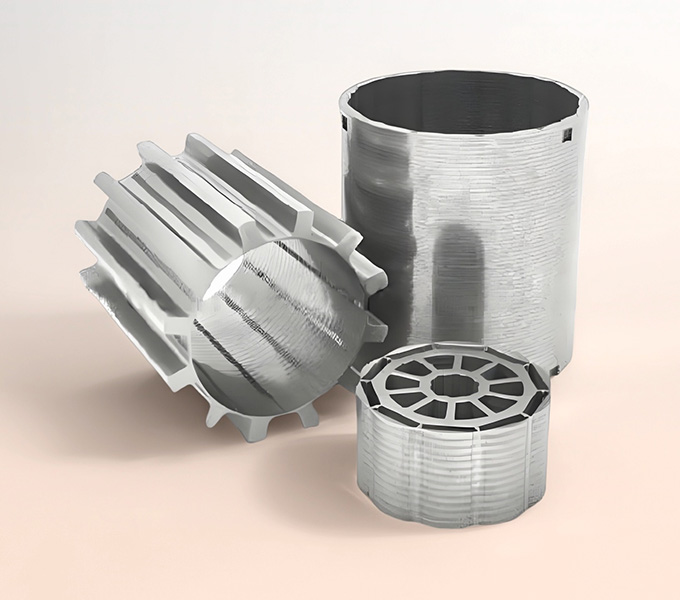
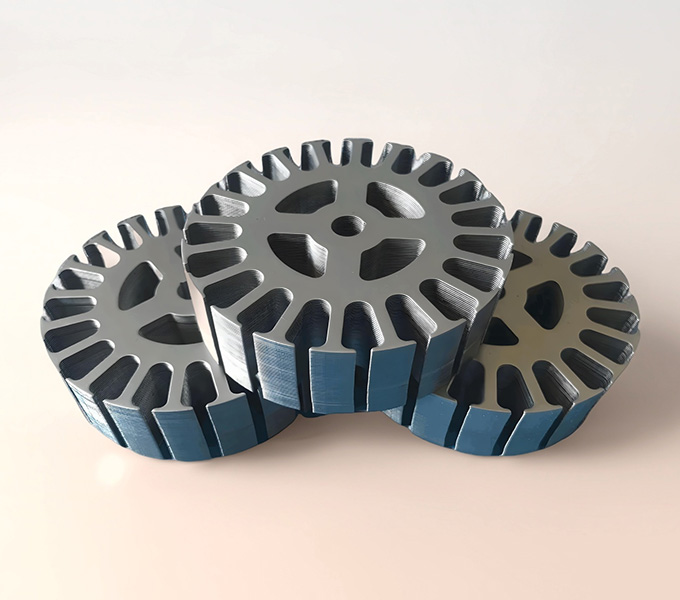
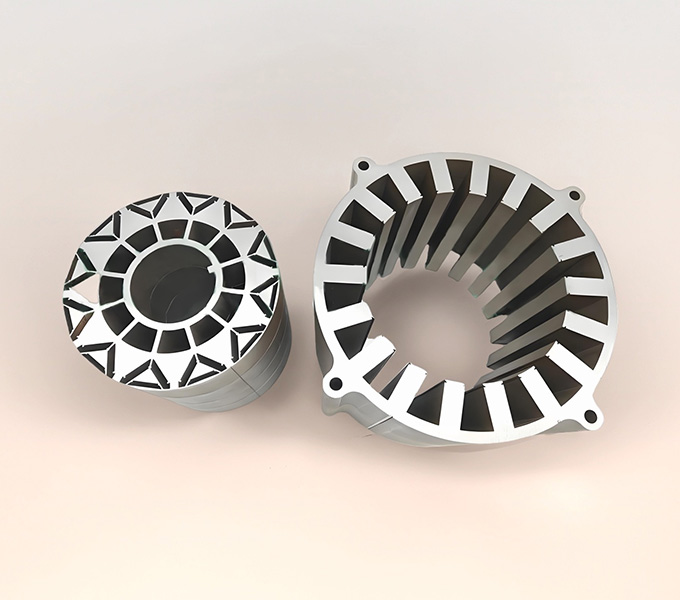
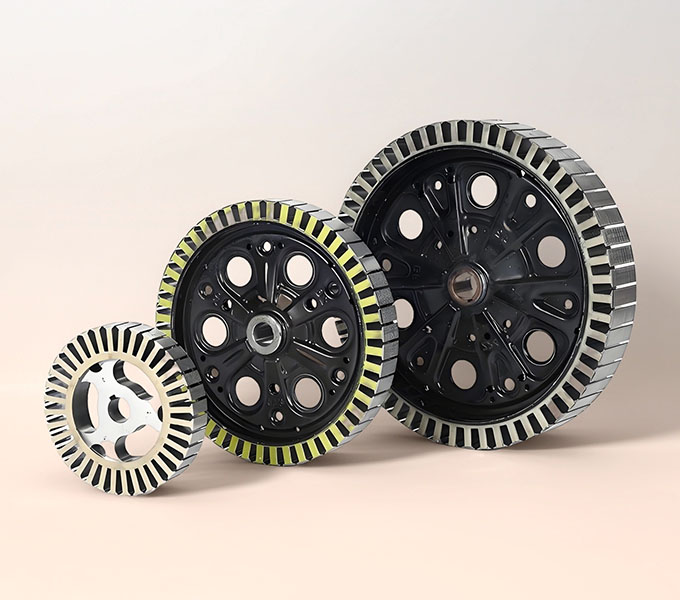
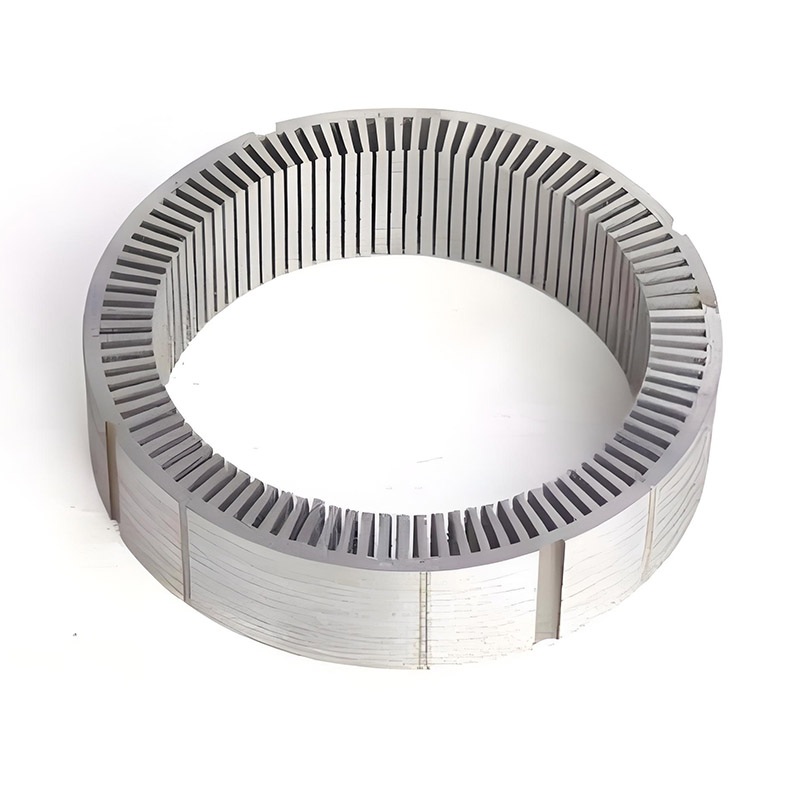
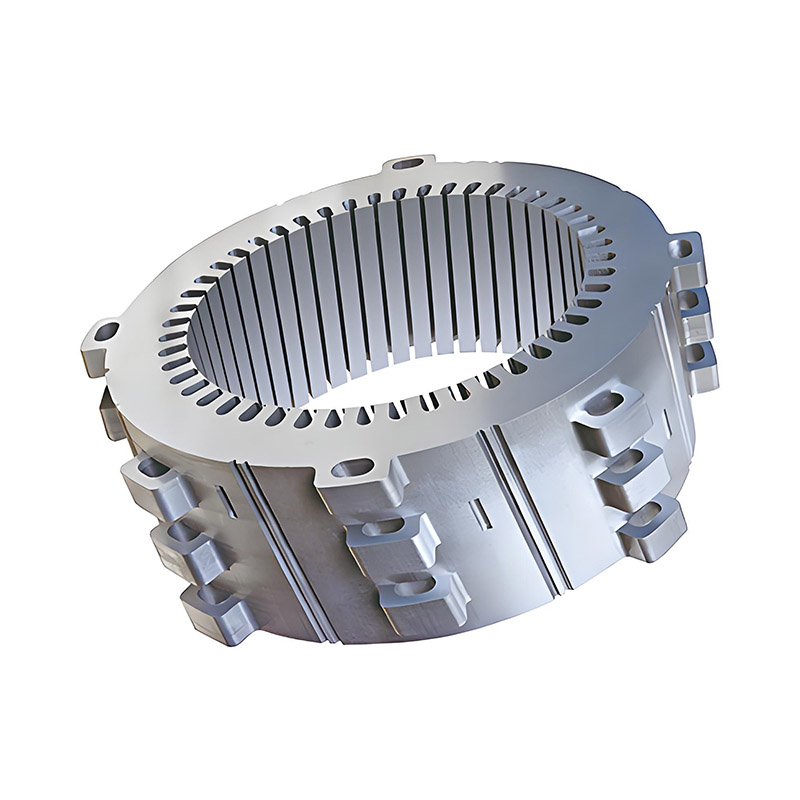
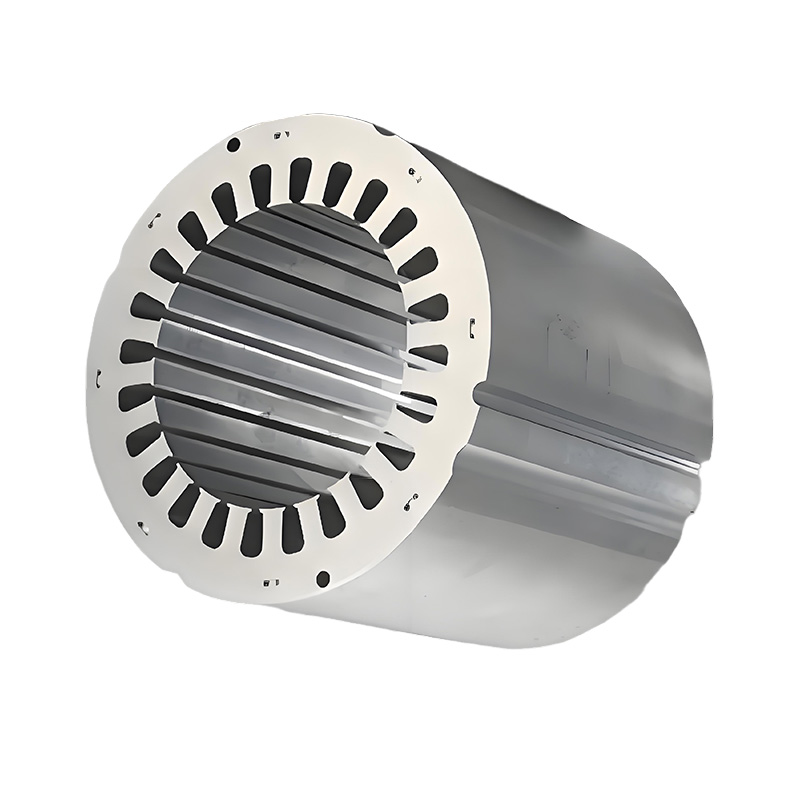
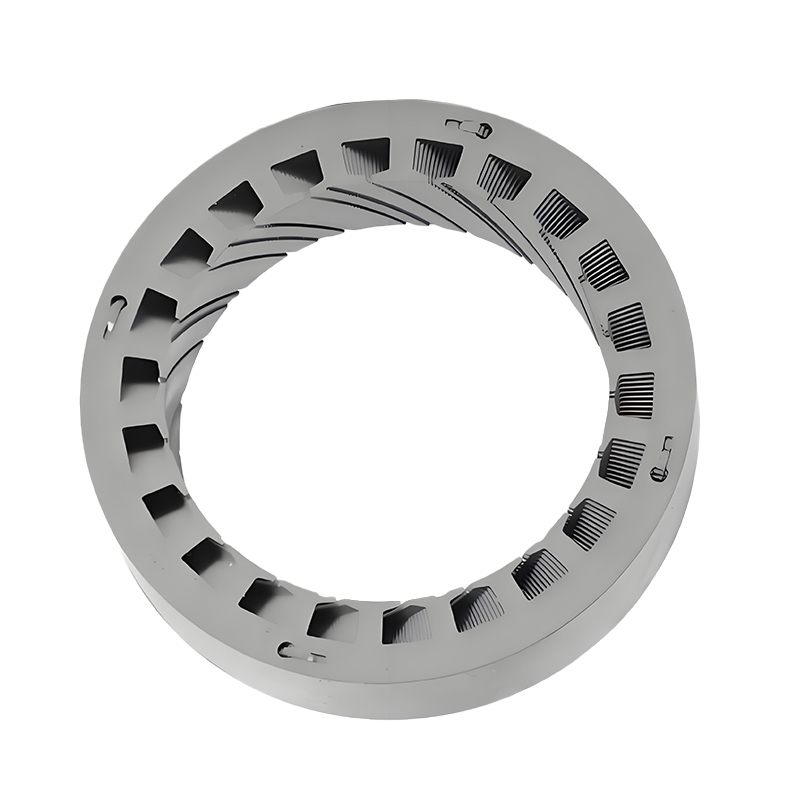
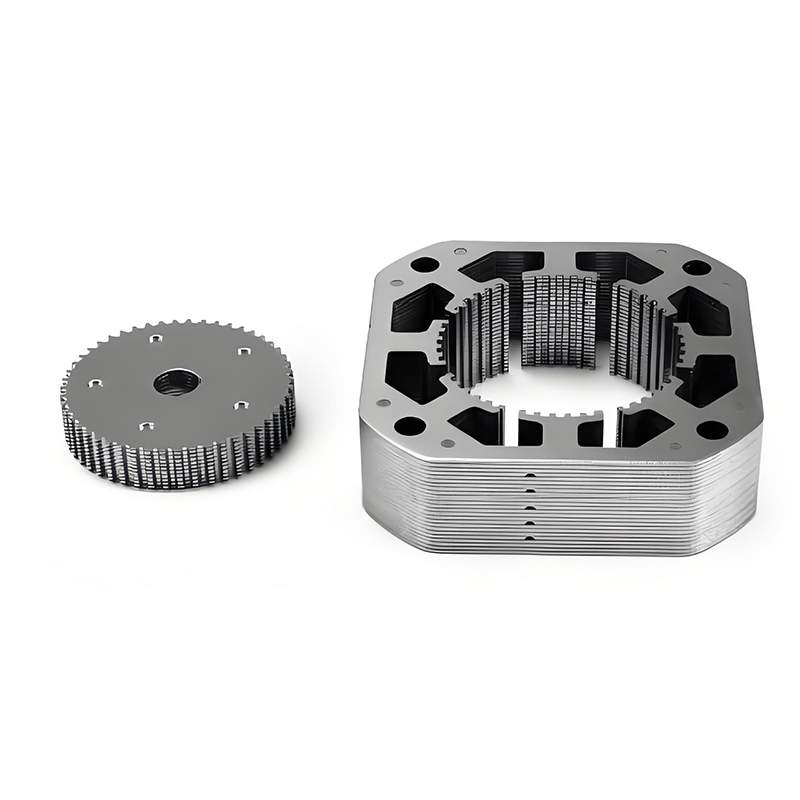
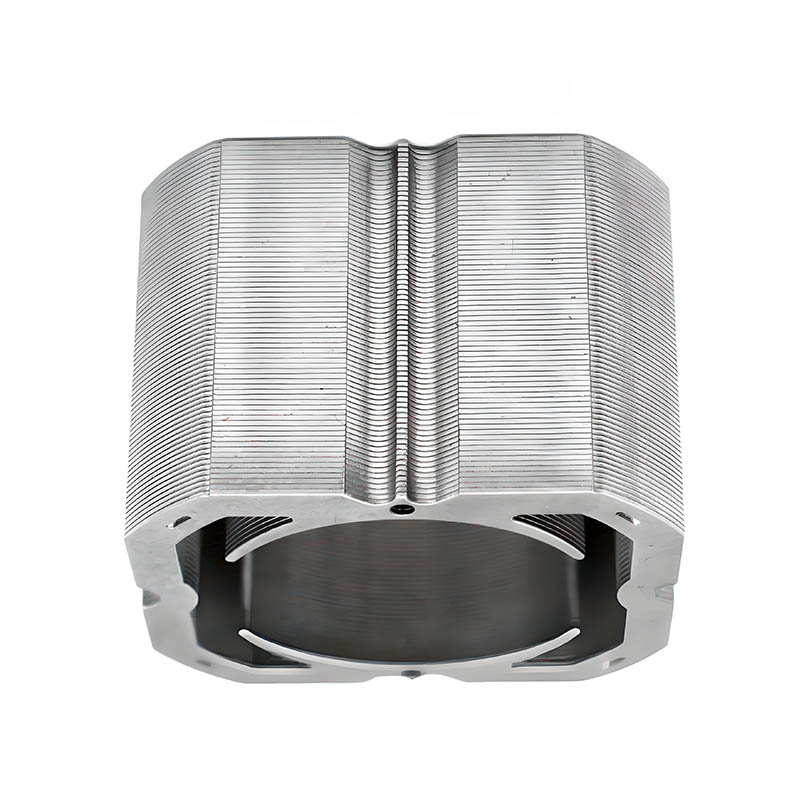
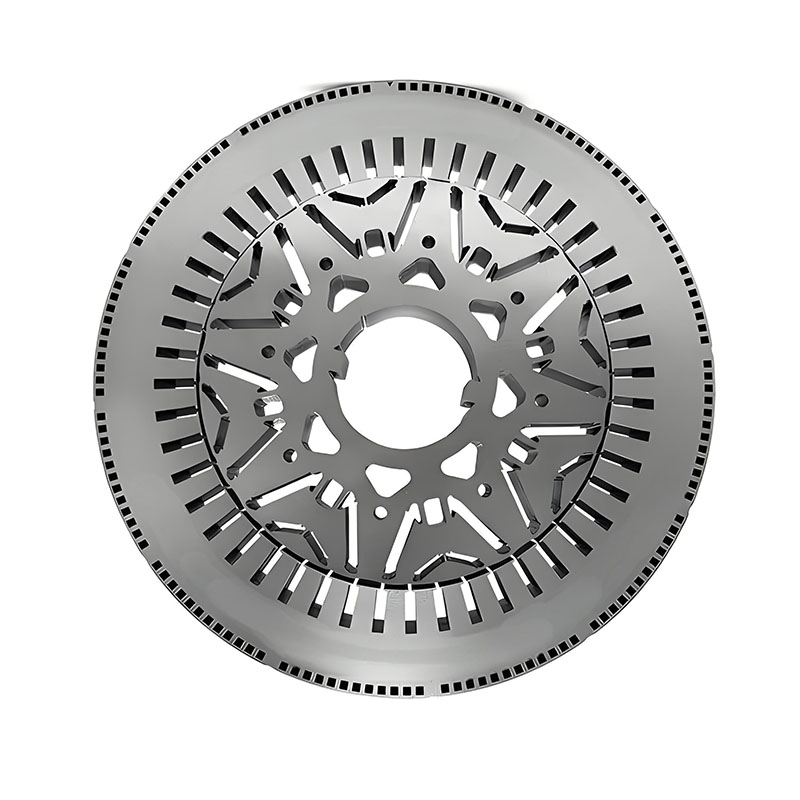
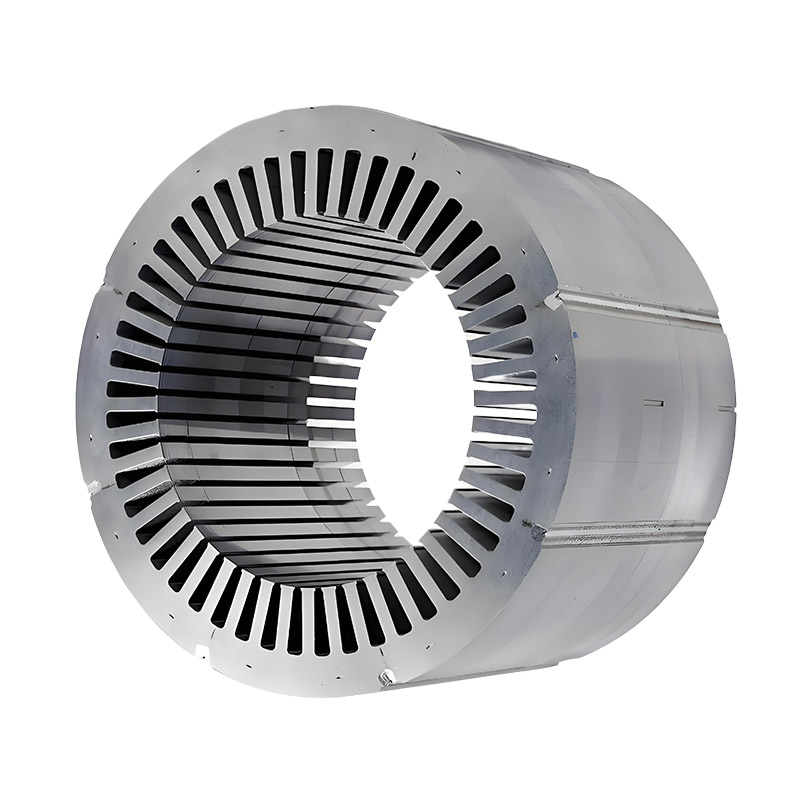
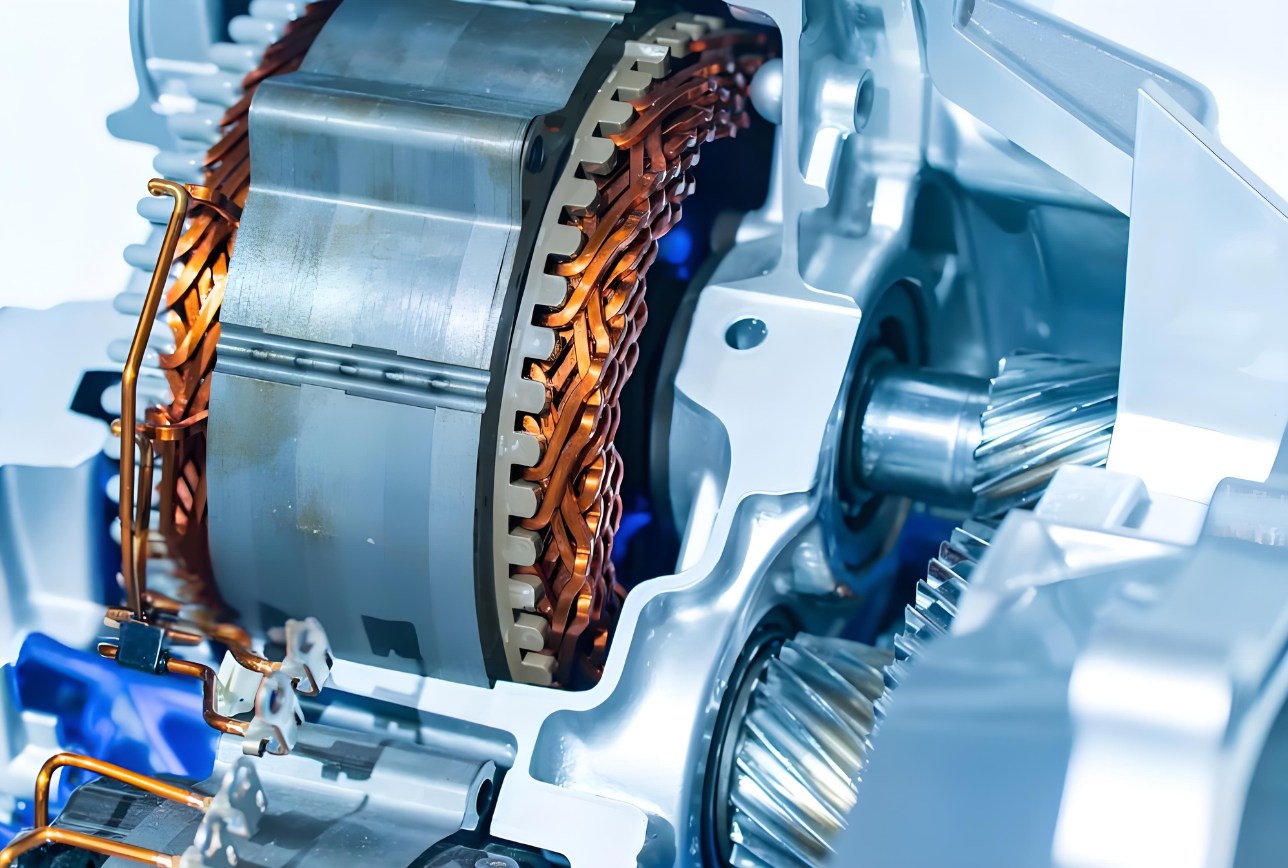
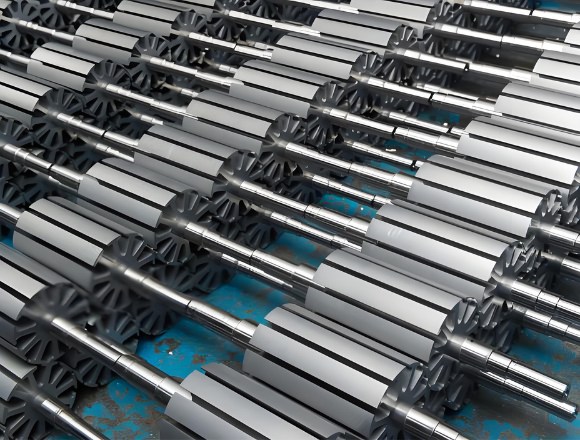
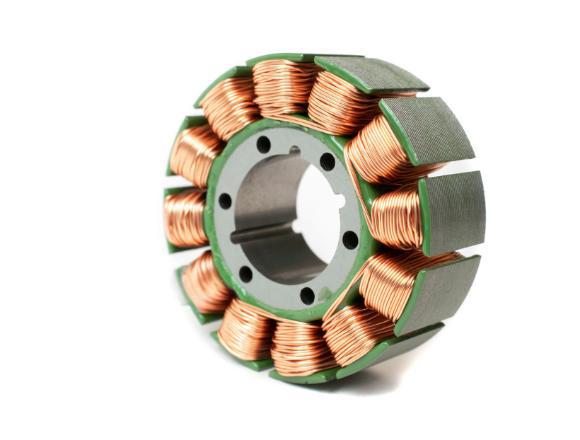
Putting the individual laminations together into a solid stack is key for physical strength and magnetic performance. Sino offers several advanced ways to assemble them:
Interlocking (Clinching/Mechanical Tabs): Commonly used for high-speed assembly, this method physically joins laminations without separate screws or glues. It’s very efficient and saves money.
Self-Bonding Technologies (Backlack): Laminations are coated with a glue that is activated by heat. They are then stacked and hardened with heat and pressure. This provides both electrical separation and strong physical structure, and it works with automatic stacking machines.
Laser and Resistance Welding: Used for very strong structures, especially in motors that move vehicles. These methods create strong physical bonds with very little bending, but they need careful control to avoid weakening the magnetic quality at the weld spot. Laser welding, in particular, can achieve stacking factors above 98%, making it easier for heat to escape.
Adhesive Bonding: Advanced glues are designed to provide both a physical bond and to reduce shaking, which greatly cuts down on sound and vibration (NVH) in EV motors. UV-light and heat-activated glues allow for quick hardening during the production process.



 German
  English
  Spanish
  French
  Italian